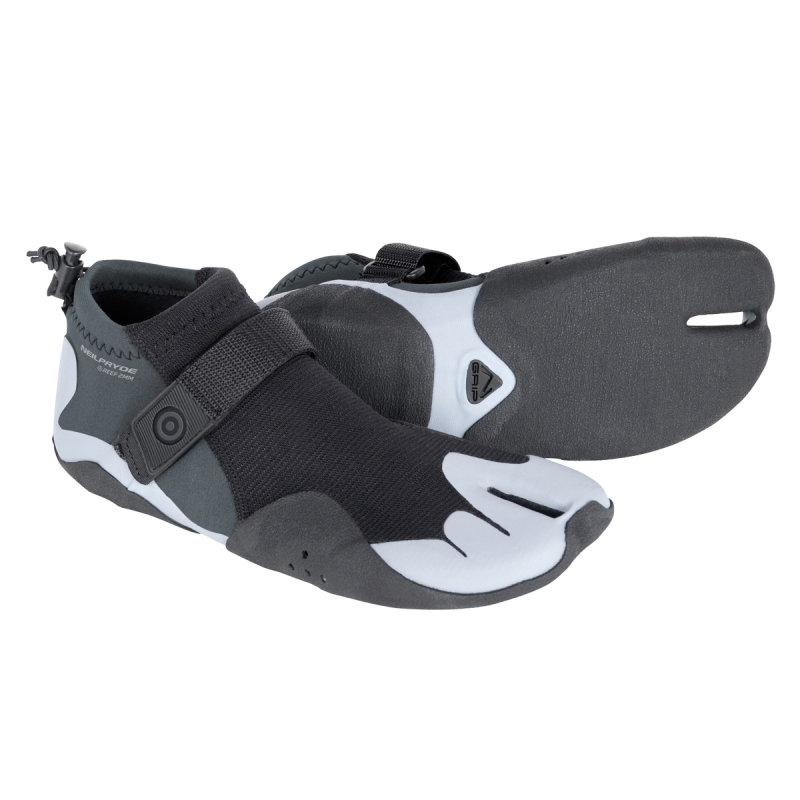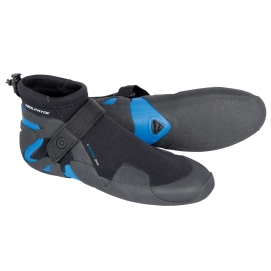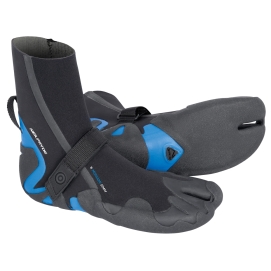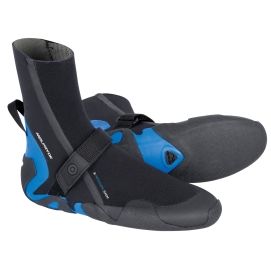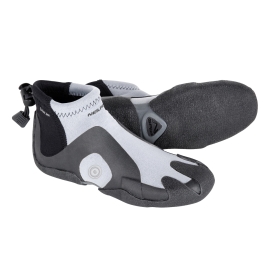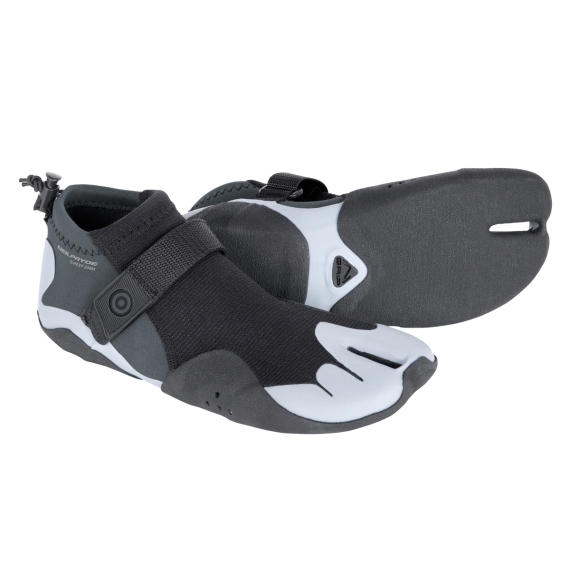


The NeilPryde Rise Reef Split 2mm neoprene boots are ultra-light watersports footwear designed for maximum board feel and essential foot protection in warm water conditions. Ideal for windsurfing, kitesurfing, wing foiling, SUP, and other watersports, they are especially suited for summer sessions and rocky or reef-covered spots.
Type: 0
Shipping date: Up to 24 h
The NeilPryde Rise Reef Split 2mm neoprene boots are ultra-light watersports footwear designed for maximum board feel and essential foot protection in warm water conditions. Ideal for windsurfing, kitesurfing, wing foiling, SUP, and other watersports, they are especially suited for summer sessions and rocky or reef-covered spots.
Constructed from durable Armortex neoprene, these boots offer excellent abrasion resistance and reliable protection against sharp surfaces such as rocks and coral. The Split Toe design enhances balance, stability, and board control while allowing a more natural foot position for improved feel and precision.
The breathable Flatlock seam construction ensures comfort and reduces irritation, making them ideal for extended use in warm conditions. An elastic closure system with a secure lock helps keep the boots snug on the foot while reducing sand and debris entry.
The durable vulcanized outsole provides excellent grip on wet surfaces and enhances overall durability in demanding environments. Additional support straps help improve foot stability during dynamic movement on the water.
Key Features:
- 2mm neoprene construction for warm water and reef conditions
- Split Toe design for improved board feel and control
- Durable Armortex abrasion-resistant neoprene
- Flatlock seam construction for comfort and breathability
- Elastic closure system to reduce sand entry
- Vulcanized outsole for strong grip and durability
- Lightweight and highly flexible design
- High resistance to abrasion and impact
- Secure and stable foot hold
The NeilPryde Rise Reef Split 2mm is the perfect choice for riders who need maximum sensitivity, comfort, and protection in warm and demanding waters—especially on reefs and rocky bottoms.
Specific References